Precision at a Distance: Understanding Laser Rangefinders
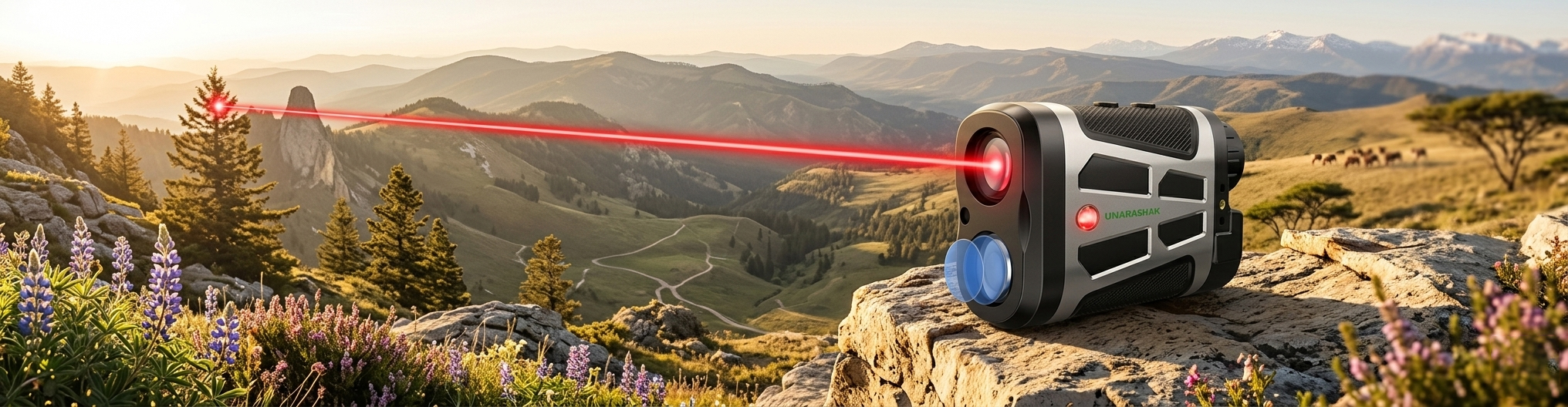
In the world of wildlife observation, professional surveying, and high-stakes outdoor sports, “guessing” the distance isn’t an option. A laser rangefinder is a precision optical instrument designed to measure the distance between the observer and a target with incredible accuracy, often within a few centimeters.
Whether you are trying to track a snow leopard across a Himalayan ridge or calculating the trajectory for a long-range photograph, understanding how these devices work is essential.
How Rangefinders Work: The Speed of Light
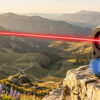
Most modern rangefinders utilize ToF (Time of Flight) technology. The process happens in a fraction of a second:
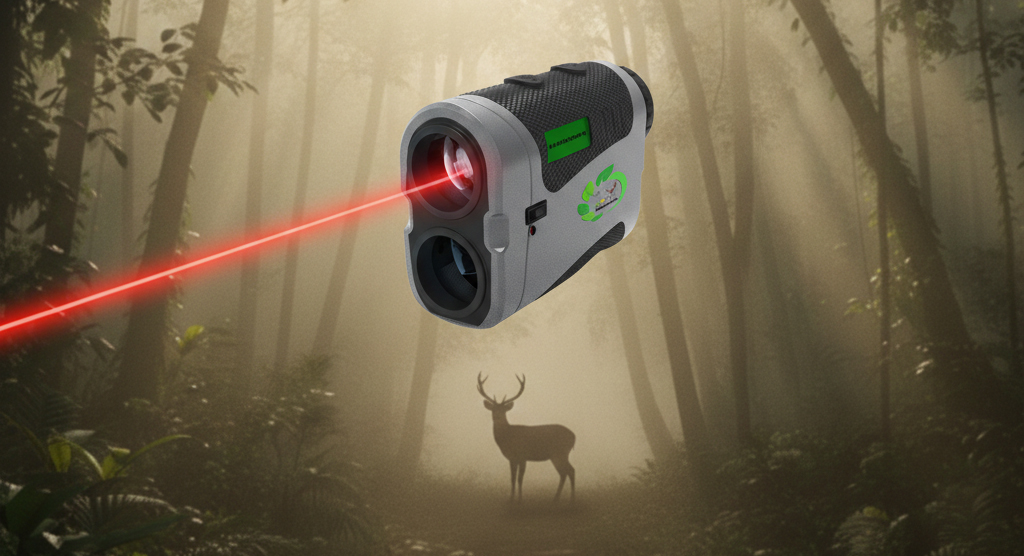
Emission: The device emits a pulse of infrared laser light.
Reflection: The light hits the target (a tree, a rock, or an animal) and bounces back.
Calculation: A high-speed internal clock measures exactly how long it took for the pulse to return.
Result: Using the constant speed of light, the device calculates the distance using the formula: Distance = frac{Speed of Light x times Time}{2}
Key Features to Look For
When selecting a rangefinder for professional field use, the “range” listed on the box is only half the story. Consider these technical factors:
Angle Compensation (ARC): When viewing a target from a steep incline or decline, the “line of sight” distance is longer than the true horizontal distance. Rangefinders with ARC calculate the angle and provide the “true” distance, which is critical for accuracy in mountainous terrain.
Target Priority Modes: First Target Priority: Ignores the background to focus on a small object in the foreground (ideal for golf or open fields).
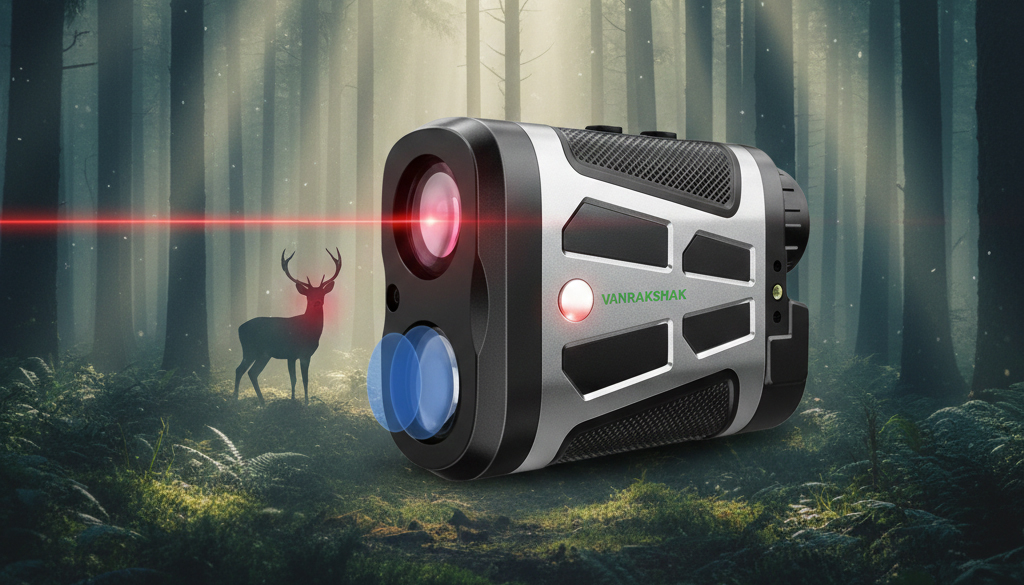
Distant Target Priority: Ignores foreground obstructions like tall grass or branches to lock onto the subject behind them (essential for wildlife tracking in dense brush).
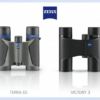
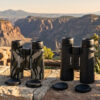
Optical Quality: High-end models from brands like Zeiss or Leica use multi-coated lenses that provide a bright, clear image, allowing the unit to double as a monocular for spotting.
Maximum vs. Reflective Range: A rangefinder might be rated for 2,000 meters on a reflective surface (like a metal sign), but its “deer-range” or “tree-range” might only be 800 meters. Always check the non-reflective performance ratings.
Common Applications
Wildlife Research & Photography: Researchers use them to map territories and estimate the size of subjects without disturbing them.
Forestry & Surveying: Used to measure tree heights and boundary distances quickly.
Golf: Helping players choose the right club by knowing the exact distance to the pin.
Ballistics & Shooting: Critical for calculating bullet drop over long distances, often integrated with weather sensors and ballistic calculators.
Choosing the Right Tool
If you are operating in harsh environments—such as the humid forests of Central India or the dusty plains of the West—look for a unit with an IP67 waterproof rating and a rubberized armor for shock resistance. A “gritty” field environment demands gear that can handle more than just a light drizzle.