Finding the right GPS can feel a bit like being lost without one. Whether you’re hiking deep into the backcountry, hitting the open road, or just trying to track your morning run, the “best” device depends entirely on your destination.
Here is a guide to help you cut through the static and find the perfect navigator.
1. Identify Your Use Case
The first step is narrowing down where you’ll be using the device. Not all GPS units are created equal.
Category
Best For
Key Features
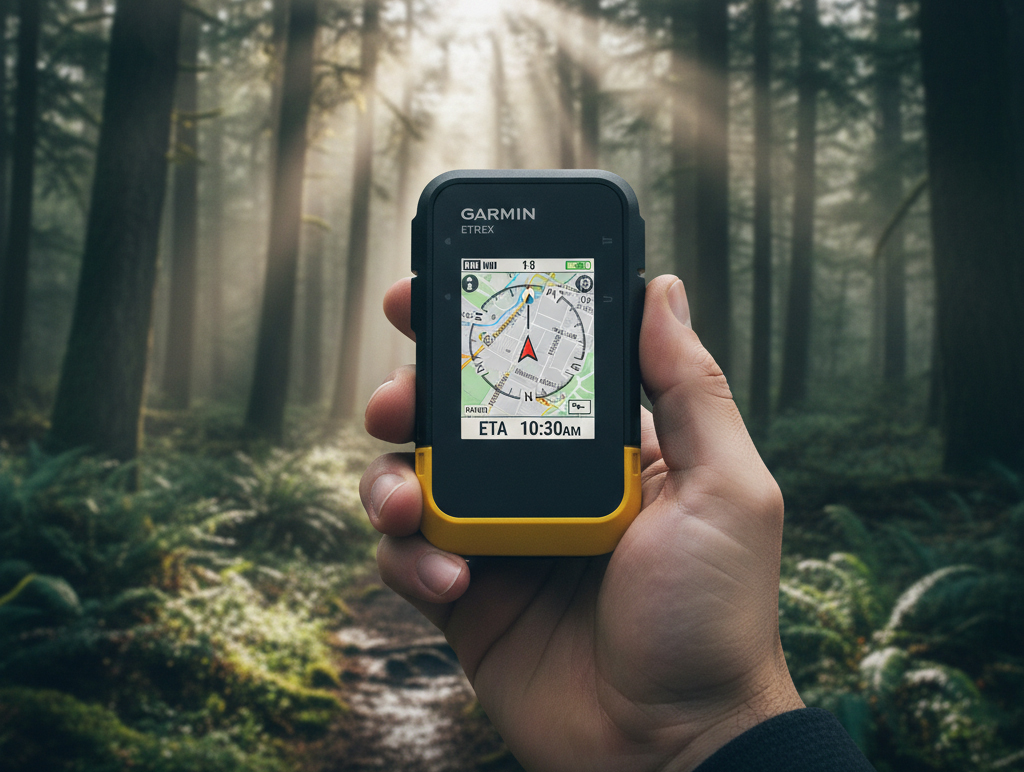
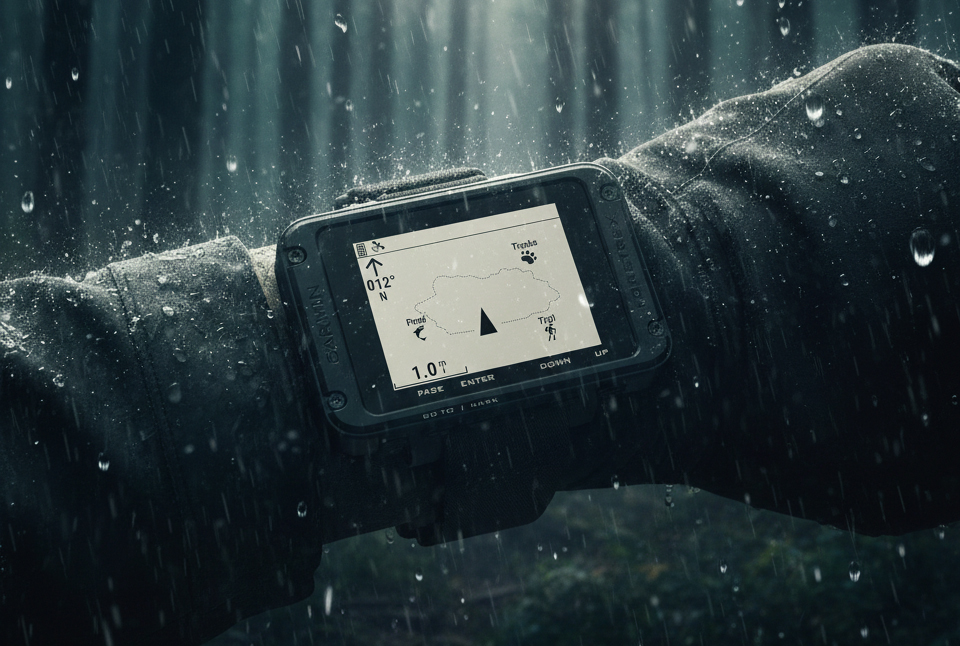
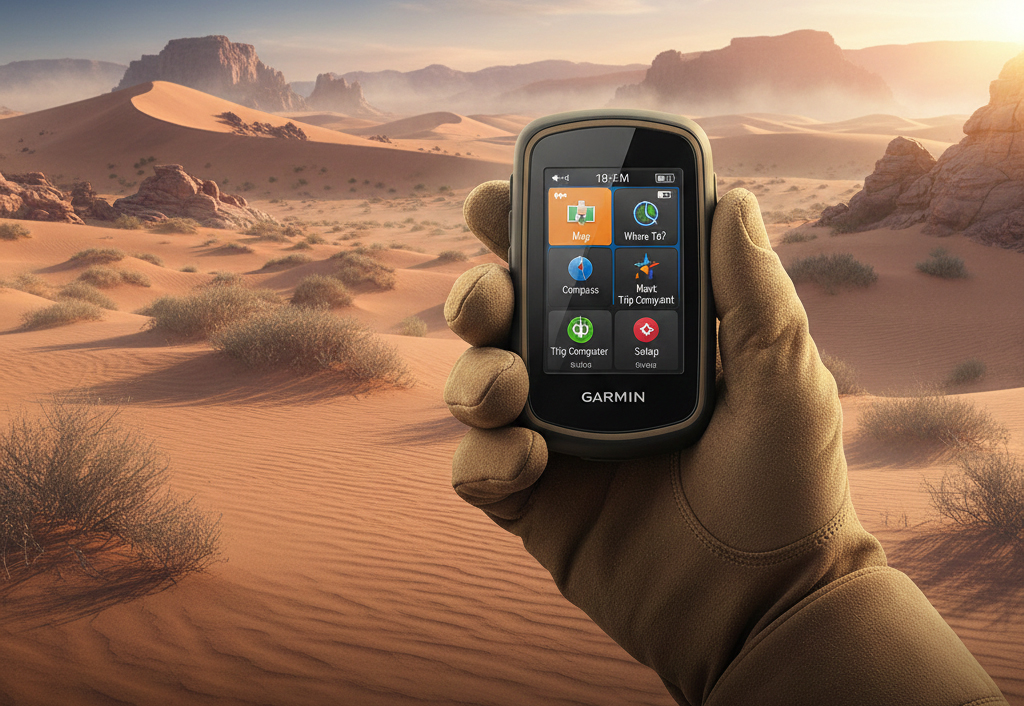
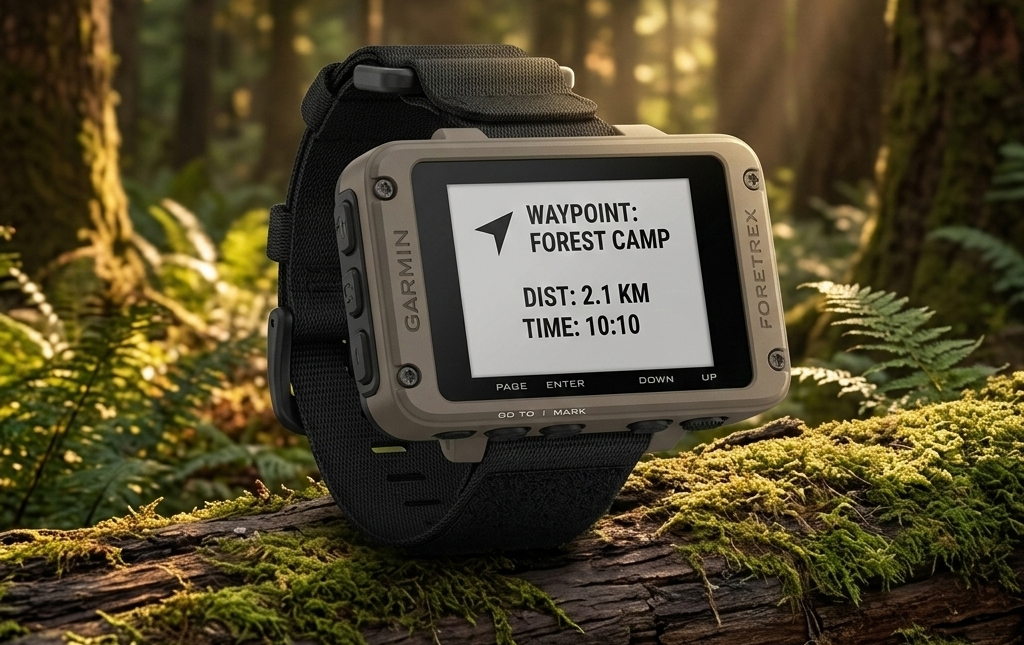
Handheld / Hiking
Backcountry, geocaching, trekking
Rugged, waterproof, long battery life, replaceable batteries.
Automotive
Road trips, daily commuting
Large screens, live traffic updates, voice commands.
Fitness / Wearable
Running, cycling, triathlons
Heart rate monitoring, lightweight, pace tracking.
Marine
Boating, fishing
Nautical charts, sonar integration, water resistance.
2. Key Features to Look For
Once you know your category, look for these specific technical specs:
Satellite Connectivity: Look for devices that support multiple systems. Beyond the standard US GPS, support for GLONASS (Russian) or Galileo (European) ensures faster and more accurate positioning, especially under heavy tree cover or near tall buildings.
Battery Type: For long-term wilderness trips, look for units that take AA batteries or have an external solar charging option. For daily use, internal lithium-ion is fine.
Display Quality: If you’re outdoors, a transflective screen is a must—it uses sunlight to make the screen easier to read, rather than washing it out.
Mapping Capabilities: Some units come with pre-loaded “BaseMaps” (very basic), while others allow for high-res topographic maps or satellite imagery. Check if the device has an expandable microSD slot.
3. The “Phone vs. Dedicated GPS” Debate
In 2026, smartphone GPS apps are incredibly powerful, but they aren’t always the right choice.
Pro Tip: Use a dedicated GPS if you are going anywhere with no cell service, extreme temperatures (which kill phone batteries), or a high risk of dropping your device on rocks or in water.
4. Don’t Forget Communication
Modern high-end GPS units often include Satellite Messaging (like the Garmin inReach series). This allows you to send SOS signals or text messages via satellite even when you have zero bars of cell service. If you’re a solo adventurer, this feature is literally a lifesaver.
There are many variations of passages of available, but the majority have suffered alteration in some form, by injected humour, or randomised words which don’t look even slightly believable.
rosetyler
The standard chunk of Lorem Ipsum used since the 1500s is reproduced belows for those interested Sections 1.10.32 and 1.10.33 from “de Finibus Bonorum et Malorum” by Cicero reproduced.
Ruta Vaghasiya
Sed ut perspiciatis unde omnis iste natus error sit voluptatem accusantium doloremque laudantiums totam rem aperiam, eaque ipsa quae ab illo inventore veritatis et quasi architecto beatae.
Ruta Vaghasiya
The standard chunk of Lorem Ipsum used since the 1500s is reproduced below for those interested Sections 1.10.32 and 1.10.33 from “de Finibus Bonorum et Malorum” by Cicero are also reproduced in their exact original form.





4 comments
Ruta Vaghasiya
There are many variations of passages of available, but the majority have suffered alteration in some form, by injected humour, or randomised words which don’t look even slightly believable.
rosetyler
The standard chunk of Lorem Ipsum used since the 1500s is reproduced belows for those interested Sections 1.10.32 and 1.10.33 from “de Finibus Bonorum et Malorum” by Cicero reproduced.
Ruta Vaghasiya
Sed ut perspiciatis unde omnis iste natus error sit voluptatem accusantium doloremque laudantiums totam rem aperiam, eaque ipsa quae ab illo inventore veritatis et quasi architecto beatae.
Ruta Vaghasiya
The standard chunk of Lorem Ipsum used since the 1500s is reproduced below for those interested Sections 1.10.32 and 1.10.33 from “de Finibus Bonorum et Malorum” by Cicero are also reproduced in their exact original form.